
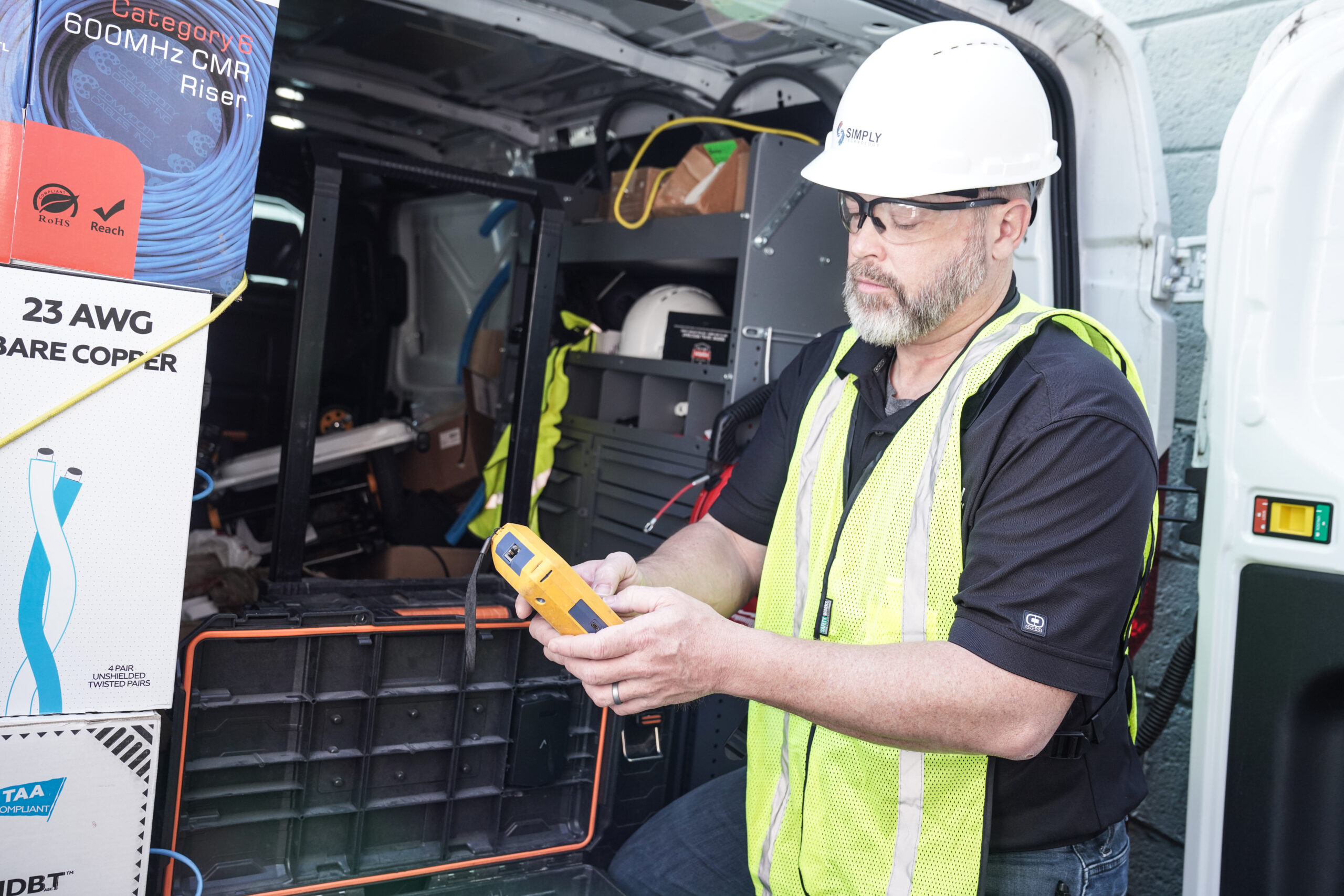
Structured Cabling Installation for Metro Detroit Businesses
Clean, reliable wiring that powers everything you do. Design, installation, labeling, and testing for offices, restaurants, clinics, and buildings across Metro Detroit.
Book a free cabling assessment- Every run labeled and tested
- Licensed, local install crews
- One vendor for cabling and IT
Your technology is only as strong as the cables behind it
Phones drop. Cameras go offline. Wi-Fi gets blamed for problems that start in a wiring closet nobody wants to open. Most of the time it is not the equipment. It is the cabling underneath it.
We design and install structured cabling that is organized, labeled, and documented. So when something needs to move or grow, it takes minutes instead of guesswork.

What you are actually paying for
Tap any part of the rack to see what it does and why it saves you money later.
Tap a section of the rack
Overhead cable tray
Cable gets routed on a supported path instead of draped over ceiling tiles and sprinkler pipe. It keeps runs off the floor, protects the cable from getting crushed, and means the next contractor in the building can see exactly where things go.
Cable that is supported properly does not fail six months later for no obvious reason.
- Cable tray
- Patch panel
- Switch
- Patch cords
- Cable management
- Documentation
- Testing
- Power
The number on your wall plate is not random
Every jack we install gets a label, and that label matches a port in the rack. Tap a piece to see what it means.
Which floor or building the jack lives on. On a single story office this is usually just 1, but it matters the day you take over the suite next door.
You read the plate, we move one patch cord. No crawling under furniture with a toner.
The label tells us which port and which switch. We check the right thing first.
We already know which runs are live and which are spare, because it is documented.
Cabling work, start to finish
- Cat6 and Cat6A data cabling
- Fiber optic runs between closets and buildings
- New construction and buildout rough-in
- Wall plates, jacks, and floor boxes
- Racks, cabinets, and wall-mounted enclosures
- Wireless access point drops placed for real coverage
- Camera and access control cabling
- POS and register drops
- VoIP phone connections
- Switch, patch panel, and rack termination
- Office moves and new suite buildouts
- Rack cleanup and re-termination
- Removal of abandoned and dead cable
- Re-labeling and documenting an inherited mess
- Adding capacity for growth
- Outdoor and building-to-building runs
- Warehouse, garage, and high-ceiling installs
- Plenum rated cable where code requires it
- Audio, paging, and TV distribution
- Historic and finished-space work with minimal patching
- Certification testing with documented results
- Troubleshooting a run that stopped working
- Moves, adds, and changes as your team shifts
- Updated as-built drawings and port maps
- Ongoing support if we also manage your IT
Four steps, no surprises
-
01
Walk the space
We look at the building, not a floor plan. Ceiling access, conduit, closet space, and where your people actually sit.
-
02
Scope and quote
You get a count of runs, cable type, and what the labor looks like. Written out, in plain language, before anyone drills.
-
03
Install and terminate
Runs get pulled, dressed, terminated, and labeled. We work around your hours when the space cannot be shut down.
-
04
Test and hand off
Every run gets tested. You get the results, a port map, and photos of the finished rack.
How long does a structured cabling installation take?
It depends on how many runs you need and how easy the building is to work in, but once we have walked the space, most jobs land in one of these four ranges.
Under 15 drops, one suite or floor, a few cameras, or cleaning up an existing rack.
15 to 50 drops, a full office fit-out, a camera system across one building, or new access points.
50 or more drops, multiple floors or buildings, or a warehouse and office wired together.
Work split into evenings or zones so your business never has to close. The hours are about the same, the calendar time is longer.
The time on site is rarely what pushes a date back. Ceiling access, waiting on the general contractor or the internet provider, and scope that grows halfway through are what stretch a schedule, which is why we walk the space and put the run count in writing before anyone drills. For the full breakdown, read how long a low-voltage installation takes.
The difference shows up two years later
| Situation | Wiring done fast | Structured cabling |
|---|---|---|
| Moving a desk | Trace the cable and hope | Read the label, move a patch cord |
| Adding a camera | New run, new hole, new mess | Use a spare run that was already planned |
| A drop stops working | Guess between cable, port, and device | Test results on file narrow it down fast |
| New IT provider takes over | They start by untangling | They start by helping you |
| Building inspection | Abandoned cable and code questions | Correct cable, supported and documented |
See how we have helped Metro Detroit businesses clean up their wiring

Whistle Stop Hobby & Toy
Fresh cabling and an organized, labeled equipment room.
See the Whistle Stop Hobby & Toy case study
Dime Store Detroit
Structured cabling throughout, with a labeled wall-mounted rack built to scale.
See the Dime Store Detroit case study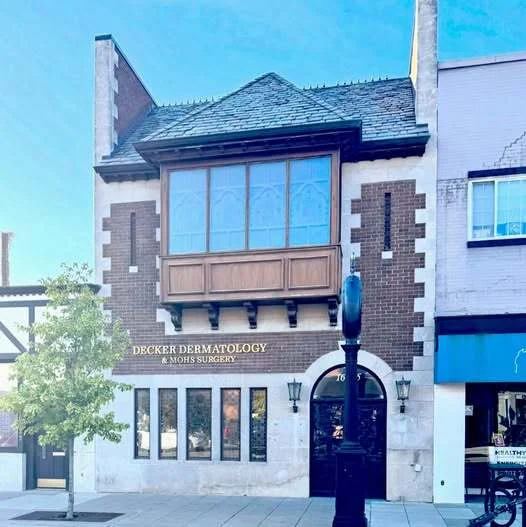
Decker Dermatology
38 new cable runs completed during construction, with outdated wiring cleaned up.
See the Decker Dermatology case study
Topa Rooftop Bar
POS drops and clean cabling for a rooftop bar at AC Hotel Detroit.
See the Topa Rooftop Bar case study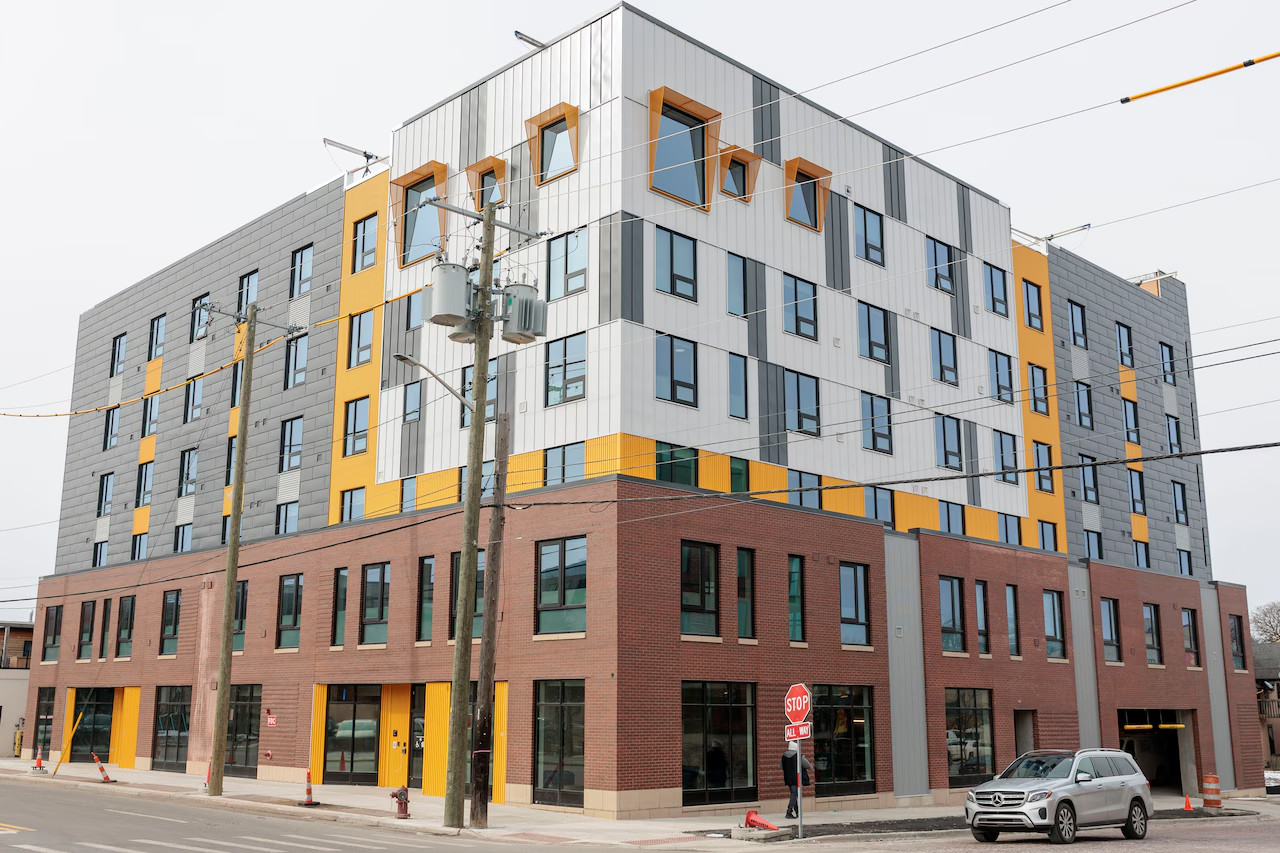
Dunbar Tower
Property-wide cabling supporting 47 cameras and 28 access points.
See the Dunbar Tower case study
Ahee Jewelers
Clean, secure wiring for a Patek Philippe showroom expansion.
See the Ahee Jewelers case study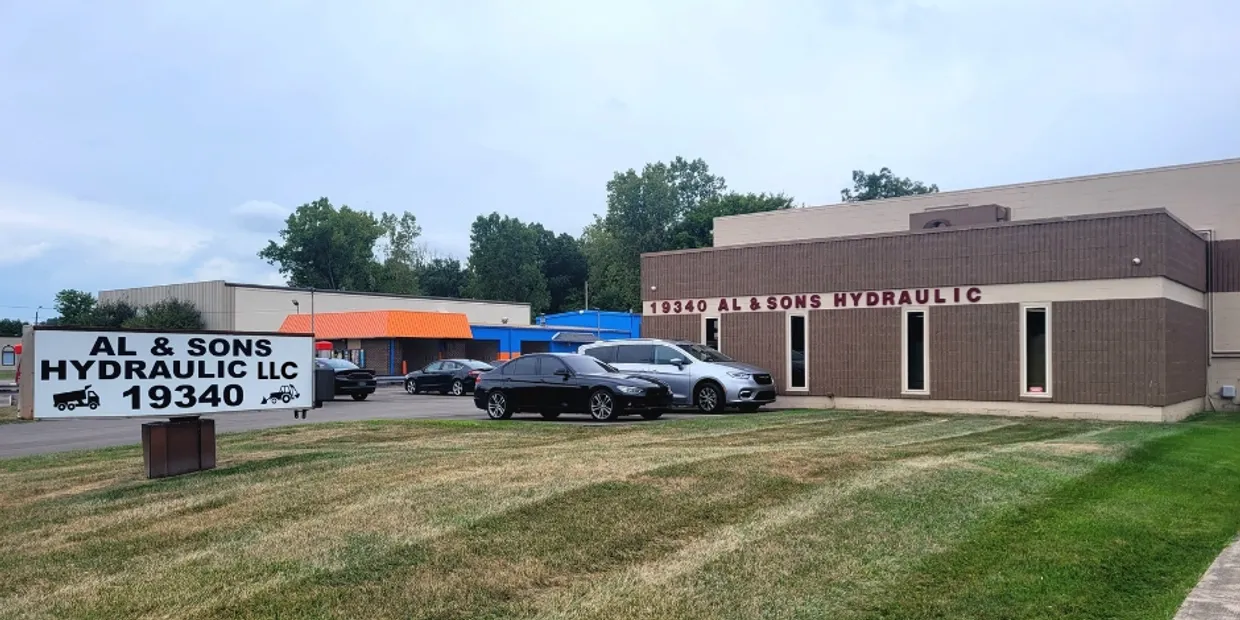
Al & Sons Hydraulics
A 300-foot run to the back of the warehouse, pulled from a forklift platform.
See the Al & Sons Hydraulics case study
Unc's Pizza
37 Cat6 drops across two floors of a brand-new pizza shop.
See the Unc's Pizza case studyPlanning a new space? Start here.
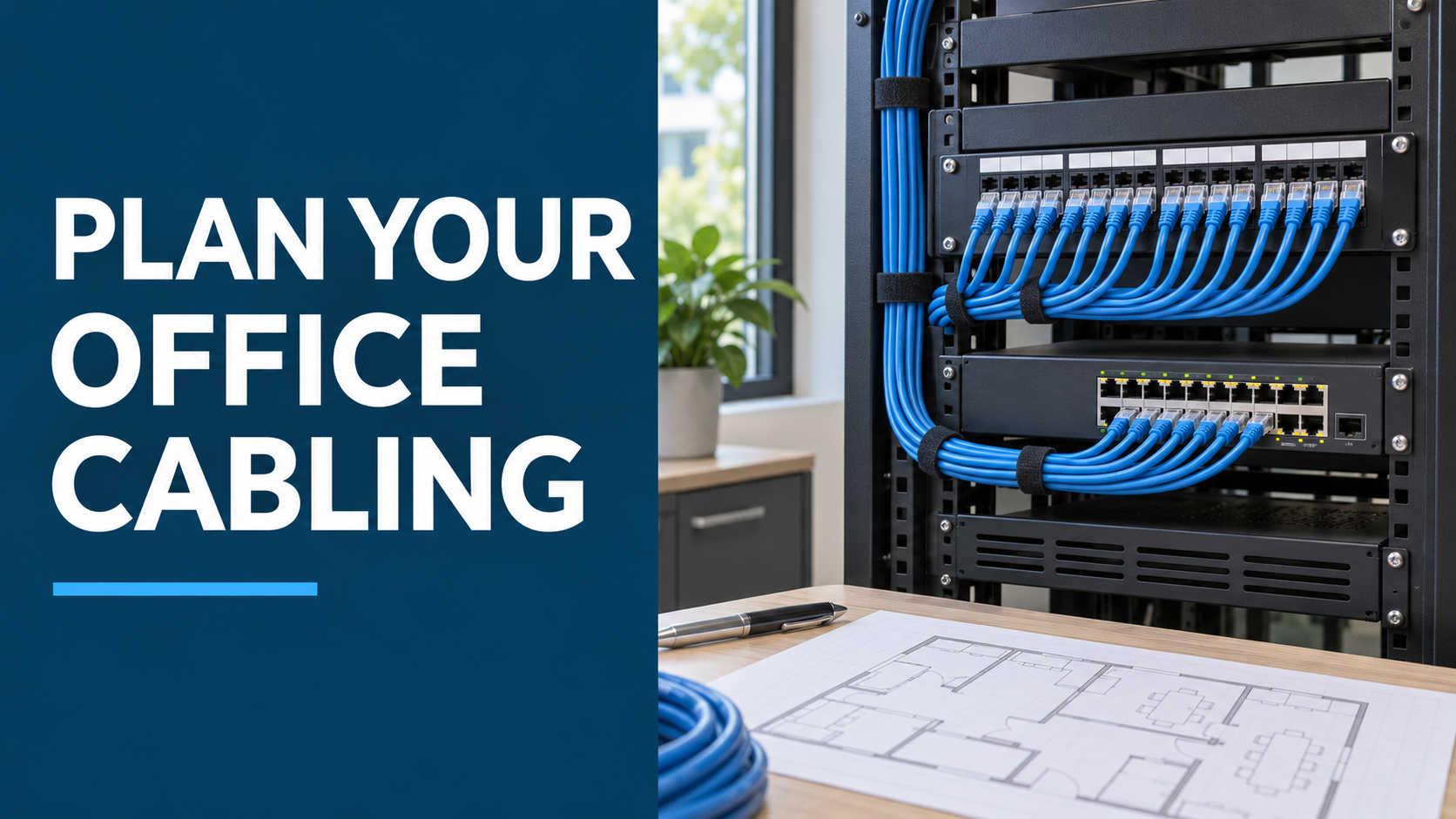
Is Your Office Cabling Slowing You Down? A Metro Detroit Business Guide
Opening, moving or renovating? What to map, what a cabling walkthrough should answer, and what to get in writing before any cable goes in. Includes how we wired Unc's Pizza from an empty shell.
Read the planning guideBefore you call
It comes down to the number of runs, the cable type, and how hard the building is to work in. A finished space with no ceiling access takes longer than an open buildout. We walk the space first, then give you a written number before any work starts.
Cat6 handles what most offices do today. Cat6A gives you more headroom on longer runs and heavier traffic. We will tell you which one your building actually needs instead of upselling the whole job.
Yes. Restaurants, retail, and clinics usually cannot stop for a cabling crew. We schedule around service hours and phase the work so you stay open.
Often. A lot of our cabling work is cleanup. We re-terminate what is good, remove what is dead, label everything, and hand you documentation you never had.
No. Cabling is a standalone project any time you need it. It just tends to go smoother when the same team handles the network, phones, and cameras that plug into it.
Labeled jacks, a labeled patch panel, test results for every run, a port map, and photos of the finished rack. If you ever switch providers, that packet goes with you.
Let us take a look at your setup
Tell us what you are building or what is driving you crazy. We will walk the space and put a real number on it.
Or call 248-885-5515